Login / Register
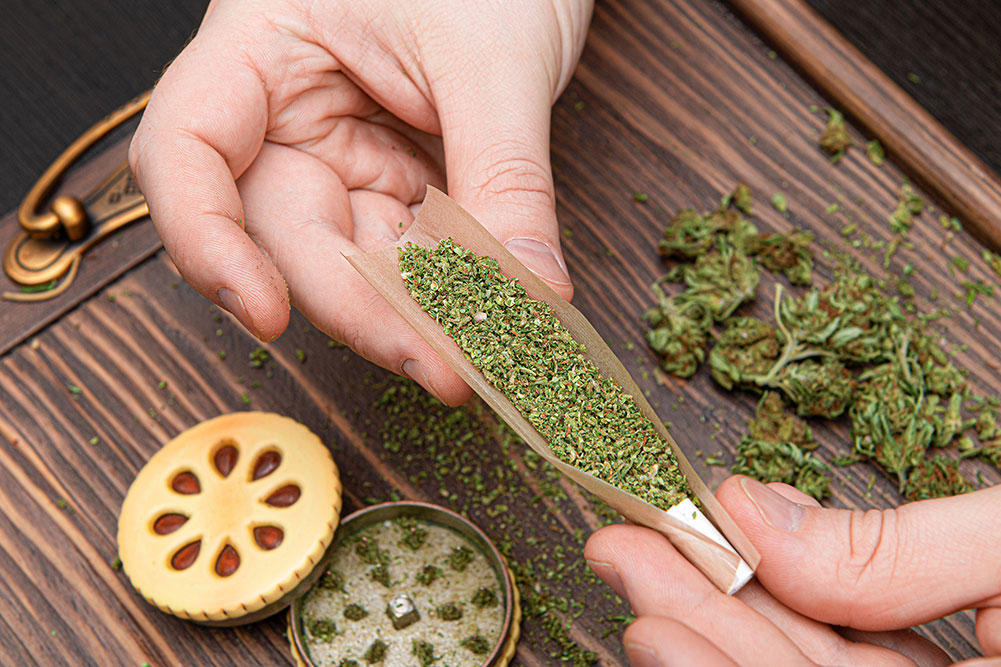
If you’ve ever browsed a cannabis menu, you’ve likely encountered the familiar labels: indica, sativa, and hybrid. These terms promise varying experiences—from relaxing body highs to energetic cerebral boosts. But how accurate are these categories? Many users and even some industry insiders are surprised to learn that the distinctions between indica, sativa, and hybrid strains are rooted more in appearance and plant origin than in effects. In fact, the true difference lies in the chemical composition, particularly the cannabinoid and terpene profile of each strain. Let’s break down these categories to uncover what really sets them apart.
Indica vs. Sativa
Indica plants are shorter, bushier, and native to regions like India, where they were recognized for their psychoactive properties. Traditionally, sativas were linked to uplifting, cerebral effects, while indicas were associated with sedating, body-relaxing effects. This distinction often led consumers to believe that simply choosing between indica and sativa would determine their cannabis experience.
Why the Traditional View Falls Short
Modern research reveals that this binary classification is an oversimplification. The chemical makeup of a cannabis strain, particularly its cannabinoid (THC/CBD) content and terpene profile, plays a far more significant role in determining its effects than its physical appearance.
THC (tetrahydrocannabinol) is the main psychoactive compound in cannabis, responsible for feelings of euphoria, sensory enhancement, and mood shifts. Its concentration varies widely among strains, influencing the potency and duration of the high.
CBD (cannabidiol) is known for its calming and anti-inflammatory properties and is often used to counteract some of THC’s psychoactivity. High-CBD strains or products can reduce anxiety, ease pain, and promote relaxation without inducing intoxication.
Terpenes, the aromatic oils in cannabis, interact with cannabinoids to create a unique effect known as the entourage effect. This synergy enhances or modifies the effects of THC and CBD. For example:
- Myrcene (found in mangoes) has sedative properties and can enhance THC’s effects, making even a sativa strain feel more relaxing.
- Limonene (citrusy scent) can produce an uplifting, stress-relieving effect, sometimes found in indicas.
- Pinene (pine scent) may increase alertness and reduce short-term memory impairment caused by THC.
This means that a sativa strain with high myrcene might feel more sedating than an indica strain high in limonene, challenging the classic indica-sativa assumptions. This complexity underscores the importance of looking beyond the label.
Popular Strains and Usage
Many consumers opt for sativa strains like Mango Haze when seeking energy, focus, and a creative boost during the day. For those desiring a calming, body-focused experience, indica-dominant strains such as El Jefe are a go-to choice, especially for evening use. However, the real determining factor is the strain’s cannabinoid-terpene composition, not just its category.
Here’s a quick guide to consider when comparing strains:
- Look at lab reports: Examine THC/CBD percentages and terpene profiles to understand what to expect.
- Consider your purpose: Are you looking for energy, relaxation, pain relief, or a combination?
- Explore different forms: Try flower and pre-rolls, CBD tinctures, or concentrates to find the right delivery method.
- Start low and go slow: Especially if you’re new to cannabis or trying a new strain, begin with a small dose and increase gradually.
- Keep a journal: Track how different strains affect you, including onset time, duration, and effects, to guide future choices.
The Science Speaks
A study published in PubMed emphasizes the need to move beyond the indica-sativa dichotomy. The researchers note that cannabis classification based solely on morphology is misleading and does not adequately reflect the plant’s phytochemical composition. This highlights the importance of cannabinoid and terpene analysis for understanding cannabis effects.
Instead of relying on labels, check product lab reports, look for THC/CBD ratios, and consider your desired effects.
Indica vs. Hybrid
Modern cannabis breeding has created hybrids, which combine indica and sativa genetics. Most commercial strains are now hybrids, offering a mix of traits that appeal to a wide range of preferences and therapeutic needs. Indica-dominant hybrids, such as Pink Kush or Cotton Candy Kush, provide the body relaxation of indicas with a hint of sativa’s mental uplift. Balanced hybrids, such as Ice Cream Man, aim for a blend of both.
What Sets Hybrids Apart from Pure Indicas?
The real difference between pure indicas and hybrids lies in their chemical complexity. While indicas are known for their sedating effects, hybrids are bred for specific cannabinoid levels and terpene profiles to create targeted effects. For example, a hybrid might combine indica’s high myrcene with sativa’s limonene, resulting in a calming yet mood-lifting experience. Products like edibles or vape pens list these profiles so you can make informed choices.
Here’s how hybrids differ from pure indicas:
- Hybrids often balance THC and CBD levels to achieve nuanced effects.
- Many hybrids are bred with specific terpenes in mind to offer unique sensory experiences and targeted outcomes.
- Hybrids can provide a “best of both worlds” effect, combining relaxation with mild cerebral stimulation.
Choosing Between Indica and Hybrid
When choosing between indica and hybrid strains, consider the desired effect rather than the label. If you’re looking for deep relaxation, stress relief, or potential sleep aid, a classic indica-dominant strain may be ideal. However, if you want a relaxing experience with a touch of energy or mental clarity, hybrids offer versatility. Remember that your body’s response plays a crucial role—factors like tolerance, metabolism, and previous cannabis experience matter.
Here are some decision-making tips:
- Start with a low dose, especially when trying a new hybrid product.
- Check the product’s lab-tested cannabinoid and terpene profile.
- Use a cannabis journal to track how different strains and products affect you.
Beyond Cannabis: Hybrid Wellness Options
For a well-rounded experience, consider hybrid concentrates or try microdosing with hybrid mushroom-based products for a holistic approach. Hybrid mushrooms may blend the cognitive stimulation of microdosing with subtle physical relaxation, offering a synergistic experience that extends beyond cannabis.
A 2021 article in Frontiers in Pharmacology notes that cannabis chemovars (chemical varieties) offer a more reliable framework than indica-sativa labels for predicting effects. Classifying cannabis strains based on cannabinoid and terpene content provides a more accurate and practical approach than relying on traditional labels.
Sativa vs. Hybrid
Comparing sativa and hybrid strains reveals how modern cannabis breeding has evolved to create a broad spectrum of effects that can suit virtually any mood or activity. While sativa strains are typically associated with uplifting, energetic effects—often chosen for social settings, creative pursuits, or daytime activities—many hybrids now offer these benefits alongside the balanced calm of indica genetics. The key difference is not the name of the strain but the precise cannabinoid and terpene blend that shapes its impact.
Understanding the Differences
Sativa strains like Mango Haze are rich in limonene, a terpene known for elevating mood and promoting alertness. This makes them appealing for consumers seeking a clear-headed, stimulating experience. However, a hybrid such as Ice Cream Man combines these uplifting properties with the body-soothing elements typically found in indica genetics, offering a more balanced experience.
Here’s what sets hybrids apart from sativa strains:
- Hybrids blend the cannabinoid and terpene profiles of both parent strains, creating effects that are more nuanced and adaptable.
- Sativa strains generally have higher THC-to-CBD ratios and terpenes like limonene or pinene, promoting mental clarity and energy.
- Hybrid strains can deliver a tailored balance, offering stimulation without the jitteriness some users may experience with strong sativas.
Many hybrid products are crafted to deliver the best of both worlds: clear-headed euphoria from sativa genetics and body relaxation from indica traits. This balance often makes hybrids more versatile for different times of day and varied user preferences.
Choosing Between Sativa and Hybrid
When deciding between a sativa or a hybrid, think about duration and intensity:
- Sativa strains are often best suited for daytime use, especially for tasks that require focus, creativity, or social interaction.
- Hybrid strains might be more adaptable, offering mild mental stimulation with body relaxation, making them suitable for both day and evening use.
- Products like gummies, vape pens, or cannabis drinks offer controlled dosing options for hybrids.
The Importance of Cannabinoid and Terpene Profiles
Many consumers assume that sativas will always energize and hybrids will always balance. However, the effects depend largely on the specific combination of THC, CBD, and terpenes like limonene, pinene, or myrcene. It’s essential to consult lab reports to understand what a product truly contains.
Conclusion
The true distinction between indica, sativa, and hybrid strains isn’t in the label or the plant’s appearance, but in its chemical makeup, specifically its unique mix of cannabinoids and terpenes. While traditional categories provide a general framework, the most accurate guide to cannabis effects comes from detailed product testing and personal experimentation.
When choosing your next product—whether it’s flower, edibles, or CBD tinctures—focus on the lab-tested composition and start with low doses. For expert guidance or to explore our full range, visit WeedHub. Feel free to contact our expert team if you have any questions.
Our Best-Selling Flower Strains
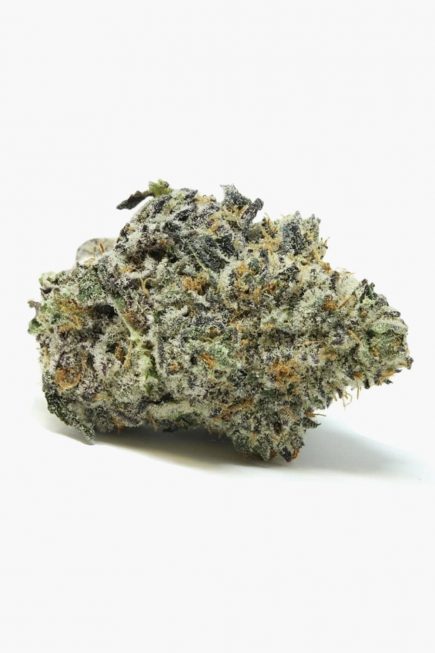
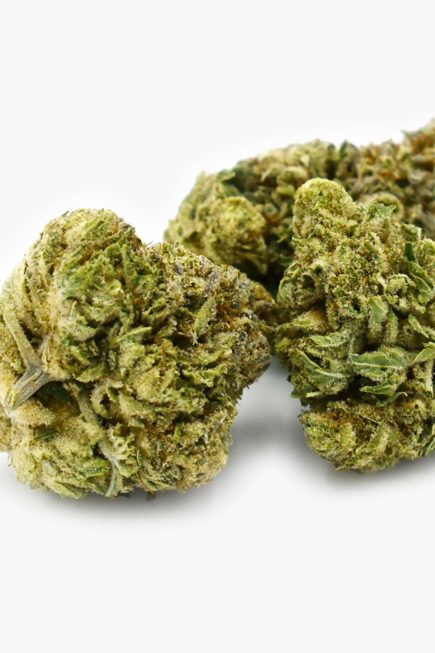
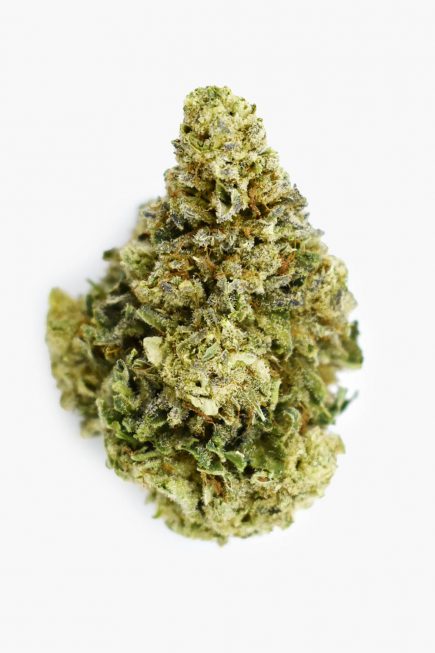
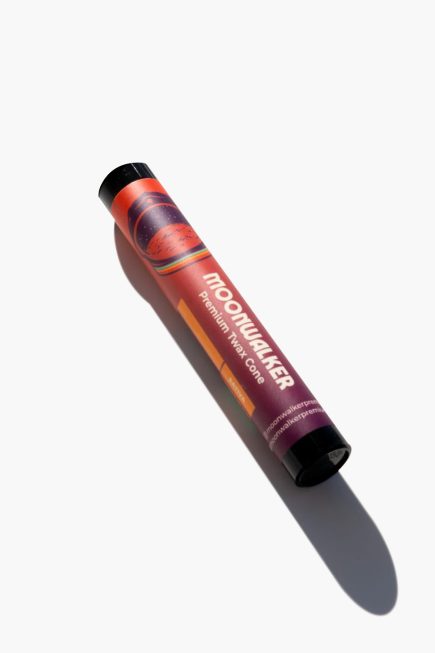
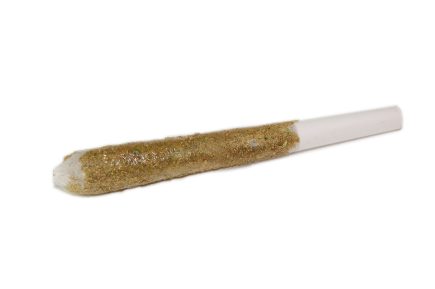
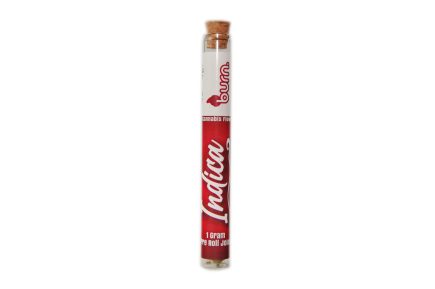
Incorporating these cannabis products into your spring season can add a new layer of enjoyment to your activities, whether you’re exploring the outdoors, focusing on wellness, or indulging in flavorful experiences. As always, it’s important to consume responsibly, considering your tolerance and local laws regarding cannabis use. Here’s to a vibrant, enjoyable, and green spring season! Shop all of your favourite cannabis products with WeedHub Canada today, and feel free to reach out to our customer support team if you have any questions.