Login / Register

In recent years, cannabis has garnered widespread attention for its potential to both alleviate and exacerbate anxiety. With a growing body of research, mixed anecdotal reports, and a flourishing market of cannabis-based products, many are left wondering whether this ancient plant is a friend or a foe in the battle against anxiety.
This article delves into the science behind cannabis and anxiety, explores the delicate balance of its effects, and provides guidance on making informed choices. Cannabis can either soothe or stimulate anxiety depending on dosage, strain, and individual response, highlighting the importance of moderation, research, and personalized use.
The Science Behind Cannabis and Anxiety
Cannabis contains numerous compounds, primarily tetrahydrocannabinol (THC) and cannabidiol (CBD), each exerting unique effects on the brain and body. Research suggests that while THC, the psychoactive component, can induce euphoria and relaxation at lower doses, it may also trigger heightened anxiety and paranoia, especially in high concentrations or in predisposed individuals. On the other hand, CBD is renowned for its anxiolytic properties, capable of countering some of THC’s adverse effects, according to a study on PubMed.
A study published in The Permanente Journal observed that CBD administration reduced anxiety levels in 79.2% of patients within the first month. Cannabidiol may hold benefits for anxiety-related disorders and CBD displays promise as a tool for managing anxiety.
How THC and CBD Interact with the Brain
The contrasting effects of THC and CBD on anxiety stem from their interaction with the brain’s endocannabinoid system. THC binds directly to CB1 receptors, which are abundant in regions of the brain associated with mood regulation, such as the amygdala and hippocampus. This activation can, at low levels, reduce stress and promote relaxation but may, at higher levels, overstimulate these areas, resulting in anxiety, paranoia, and even panic attacks.
CBD, however, has a more indirect mechanism of action. Instead of binding to CB1 receptors, CBD modulates these receptors’ sensitivity and enhances the activity of serotonin receptors, which play a crucial role in mood and anxiety regulation. This modulation is why CBD is increasingly studied as a potential treatment for anxiety disorders.
The Role of Terpenes in Anxiety Modulation
Beyond THC and CBD, cannabis contains aromatic compounds known as terpenes, which also influence its effects on anxiety. Terpenes like linalool, limonene, and myrcene contribute not only to the plant’s distinctive aroma but also to its therapeutic potential. For example, linalool, found in lavender as well as cannabis, is recognized for its calming properties. Limonene, with its citrus scent, is believed to elevate mood and reduce stress, while myrcene has sedative effects that may promote relaxation.
Strains with higher concentrations of these calming terpenes may provide enhanced anxiety relief when used in combination with CBD. This is why strain selection, based on both cannabinoid and terpene profiles, is critical for those using cannabis to manage anxiety.
Delivery Methods and Bioavailability
For those considering cannabis for anxiety, understanding the various forms and delivery methods is essential. Each method offers different bioavailability rates, the proportion of active compounds that enter the bloodstream and exert an effect. Inhalation methods, such as smoking flower or using a vape pen, provide rapid onset but relatively short duration of action. This makes them suitable for acute anxiety episodes.
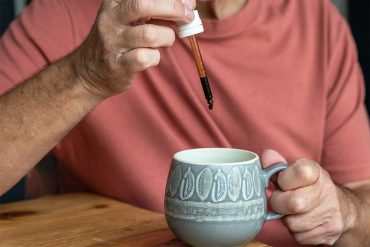
Conversely, oral methods, including CBD oils and tinctures and edibles, have a slower onset, taking 30 minutes to 2 hours, but offer longer-lasting effects, which can be beneficial for generalized anxiety disorder or chronic stress management. Topical products and transdermal patches, while useful for localized issues, generally do not cross the blood-brain barrier and therefore have minimal effect on systemic anxiety.
The Dosage Dilemma: Finding the Sweet Spot
While low doses of cannabis, particularly CBD-dominant strains or products, may ease anxiety, higher doses of THC-heavy strains can do the opposite. Low doses of THC can be anxiolytic, whereas higher doses can induce anxiety and paranoia. This biphasic effect means that dose control is critical, and self-titration—adjusting dosage incrementally—can help mitigate adverse reactions.
Here’s a practical breakdown:
- Low-dose THC (1–3 mg): May promote relaxation and mild euphoria.
- Moderate-dose THC (5–10 mg): Increased effects, potentially triggering anxiety in sensitive users.
- High-dose THC (10+ mg): High risk of panic, paranoia, and rapid heart rate, especially for inexperienced users.
A CBD concentrate or tincture may provide a gentler approach for those prone to anxiety, while THC-rich flowers or edibles should be approached cautiously. When using cannabis for anxiety relief, it’s crucial to monitor dosage carefully and consider starting with products like CBD-infused gummies or capsules, adjusting as needed.
It’s also essential to recognize that everyone’s tolerance levels vary. Factors such as age, body weight, metabolism, and prior cannabis experience can significantly affect how an individual reacts to different dosages. For those new to cannabis or prone to anxiety, beginning with microdoses—small, incremental amounts of THC or CBD—may reduce the risk of adverse effects. Tracking usage in a journal can also help identify patterns and establish an optimal dose. Consulting with a knowledgeable healthcare provider or cannabis specialist may provide additional guidance for safe and effective use.
For a more comprehensive approach to anxiety management, consider incorporating other wellness practices, such as mindfulness or physical activity.
Personal Factors and Strain Selection
Individual differences, such as genetics, mental health history, and sensitivity to THC, play a significant role in how cannabis affects anxiety. Some people are genetically predisposed to anxiety or have underlying conditions that make them more susceptible to THC’s anxiogenic effects. Strain selection becomes vital, with many users preferring CBD-rich or balanced hybrids for their calming effects.
Consider these popular strain options:
- CBD-Dominant Strains: These strains, such as Mango Haze, are known for their high CBD content and minimal psychoactivity.
- Balanced Hybrids: Strains like Ice Cream Man offer a mix of THC and CBD, providing a more balanced effect.
- Indica-Dominant Strains: Often associated with relaxation and stress relief, options like El Jefe or Pink Kush can promote calmness in low doses.
For those seeking alternative delivery methods, cannabis-infused drinks or mushroom-based supplements might provide a unique approach to managing anxiety. These products often combine cannabis with adaptogens or nootropics, supporting overall mental balance.
Conclusion
Cannabis can be a powerful tool or a potential trigger depending on how you use it, and understanding the complexities of this relationship can help you make informed choices. When selecting a cannabis product, consider quality and purity, opting for lab-tested options from reputable sources such as Weed Hub. Additionally, tools like rolling papers or vape pens can enhance the experience while maintaining control over the dose.
For any inquiries or guidance on choosing the right cannabis products for anxiety or other concerns, don’t hesitate to contact us.
Our Best-Selling Flower Strains

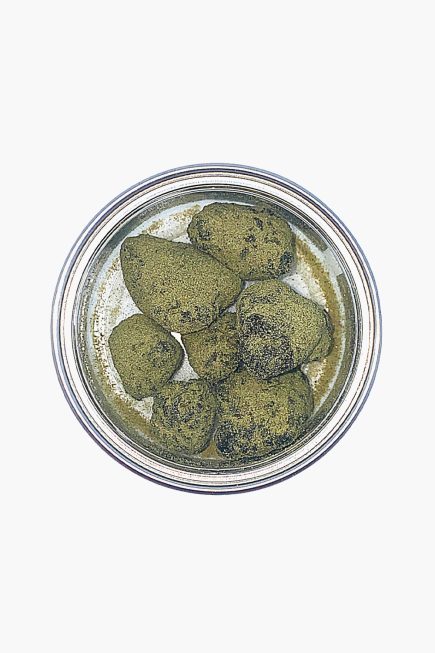
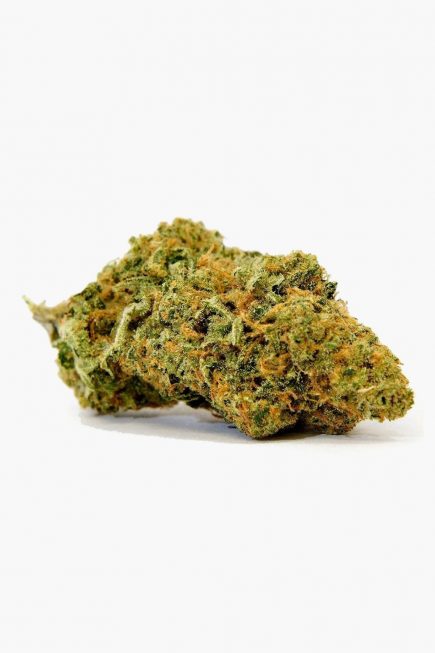
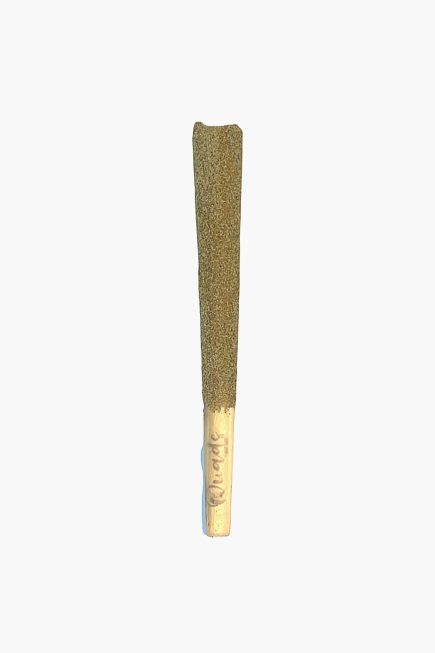
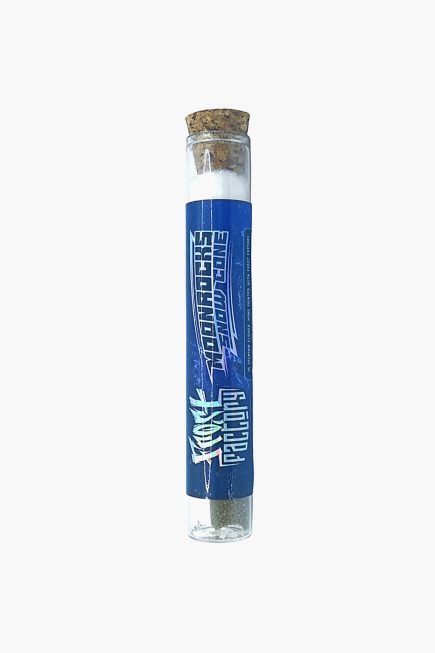
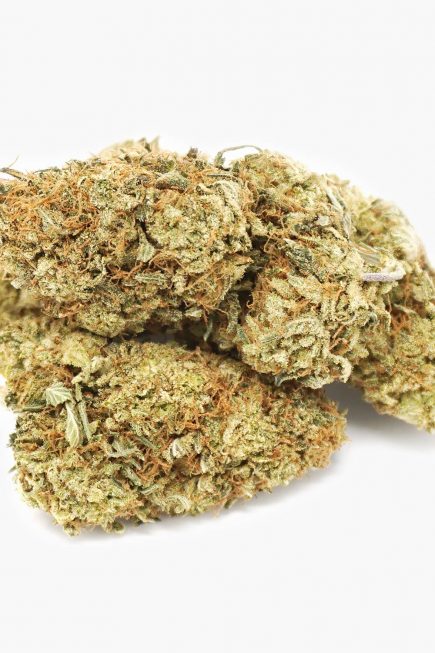
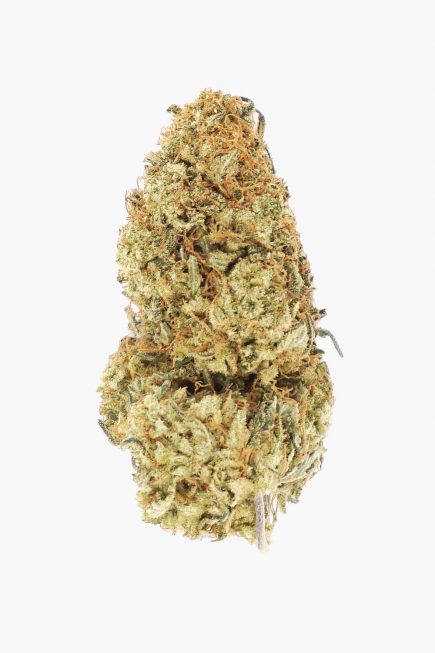
Incorporating these cannabis products into your spring season can add a new layer of enjoyment to your activities, whether you’re exploring the outdoors, focusing on wellness, or indulging in flavorful experiences. As always, it’s important to consume responsibly, considering your tolerance and local laws regarding cannabis use. Here’s to a vibrant, enjoyable, and green spring season! Shop all of your favourite cannabis products with WeedHub Canada today, and feel free to reach out to our customer support team if you have any questions.