Login / Register
In recent years, microdosing cannabis has emerged as a wellness trend among both new and experienced users. This method of cannabis consumption involves taking very small doses—just enough to experience subtle therapeutic effects without getting high. For people seeking the medical benefits of cannabis while maintaining productivity, clarity, and balance, microdosing may offer a compelling alternative.
In this article, we’ll explore what microdosing cannabis is, the potential benefits, and how to do it safely and effectively.
What Is Microdosing Cannabis?
Microdosing involves consuming a low, sub-perceptual dose of cannabis—meaning a dose small enough that it doesn’t produce the traditional psychoactive effects (like euphoria or impairment) often associated with THC. The goal is to achieve gentle symptom relief or improved mental and physical well-being while maintaining full functionality.
For THC, a typical microdose can range from 1 to 5 milligrams, depending on individual tolerance and sensitivity. Microdosing can be done with THC, CBD, or a combination of both, depending on your goals.
Why People Microdose Cannabis
The motivations for microdosing cannabis are diverse and personal, but most users are drawn to its ability to offer subtle benefits without interfering with daily responsibilities. Here are some of the most common reasons:
1. Anxiety and Stress Relief
Low doses of THC may help reduce stress and calm the nervous system. In fact, research suggests that smaller amounts of THC can be more effective for anxiety relief than higher doses, which may sometimes worsen anxiety.
2. Improved Focus and Creativity
Contrary to the stereotype of the forgetful stoner, many users report that microdosing enhances their focus, motivation, and creative thinking, making it popular among artists, designers, and knowledge workers.
3. Pain Management
Microdosing may help alleviate chronic pain, headaches, or inflammation without the sedation or disorientation that often comes with full doses.
4. Mood Stabilization
For individuals with mood disorders such as depression or bipolar disorder, microdosing can support emotional balance and resilience, though professional guidance is essential in these cases.
5. Sleep Support
Some users find that microdosing cannabis in the evening can help them wind down and promote better sleep quality without morning grogginess.
How to Microdose Cannabis Safely
1. Choose the Right Product
Microdosing is easier when you use precisely dosed products, such as:
- Edibles (gummies, mints, chocolates) that contain 1–2.5 mg of THC per serving
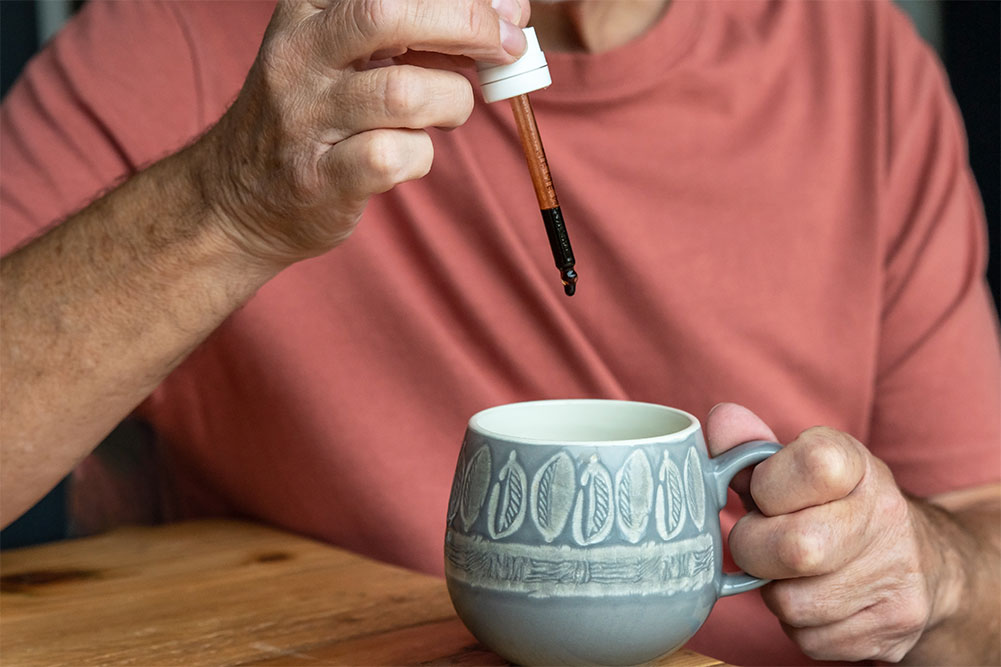
- Tinctures or oils that allow for incremental dosing
- Capsules with microdoses of THC, CBD, or both
- Vape pens with adjustable settings (for very small puffs)
Avoid smoking or loose concentrates if you’re trying to microdose, as they make it harder to control exact dosage.
2. Start Low and Go Slow
This is the golden rule of cannabis in general—and it’s especially important for microdosing.
- Start with 1 mg to 2.5 mg of THC
- Wait at least 2 hours before increasing your dose, especially if you’re consuming edibles
- Increase gradually in small increments over several days until you find your optimal dose, known as the “minimum effective dose”
3. Track Your Response
Keeping a microdosing journal can help you fine-tune your experience. Record things like:
- Product type and dosage
- Time of consumption
- Mood, focus, energy, and symptoms before and after
- Any side effects
This will help you identify your ideal dose and timing more precisely.
4. Set Your Intentions
Ask yourself: What are you trying to achieve with microdosing? Whether it’s calm, productivity, pain relief, or better sleep, setting a clear goal will help you measure success and adjust accordingly.
5. Be Mindful of THC Tolerance
One benefit of microdosing is that it can help reduce tolerance over time, especially if you’ve been a frequent cannabis user. By giving your endocannabinoid system a break from heavy doses, you may become more sensitive to smaller amounts of THC—enhancing its effectiveness.
THC vs. CBD: What’s Better for Microdosing?
Both THC and CBD can be used for microdosing, depending on your preferences and the effects you’re seeking.
- THC microdosing is best for those looking for mild euphoria, creativity, and relief from pain or anxiety.
- CBD microdosing offers anti-inflammatory and calming effects without any psychoactivity.
- Balanced THC:CBD ratios (like 1:1 or 1:2) provide a synergistic effect, known as the entourage effect, and are great for newcomers.
Pro tip: If you’re nervous about THC or trying to stay sober, start with CBD-only products.
When to Microdose
Timing your microdose can enhance its impact. Here are a few common approaches:
- Morning microdosing to promote focus, reduce anxiety, or boost mood before the day begins
- Afternoon microdosing as a pick-me-up or to ease workday stress or pain
- Evening microdosing to support relaxation or improve sleep
Choose a time when you can be aware of how your body reacts, especially in the beginning.
Potential Side Effects of Microdosing
While microdosing is generally safe, especially compared to high-dose THC consumption, some users may still experience:
- Lightheadedness
- Dry mouth
- Anxiety or paranoia (rare, but possible if you overdo the dose)
- Fatigue
The best way to minimize side effects is to start low and increase gradually. And if you’re taking other medications, check with your healthcare provider for possible interactions.
Who Should Avoid Microdosing?
Microdosing cannabis is not for everyone. You should avoid or use caution if:
- You’re pregnant or breastfeeding
- You have a history of substance misuse
- You’re taking prescription medications that may interact with cannabinoids
- You have a serious mental health condition—always consult your doctor
Final Thoughts
Microdosing cannabis offers a thoughtful, low-risk way to explore the plant’s benefits—without feeling overwhelmed or impaired. Whether you’re managing stress, boosting creativity, or improving your overall wellness, microdosing can help you integrate cannabis into your life with intention and control.
As with any wellness strategy, personalization is key. Listen to your body, adjust your routine, and stay informed about what works best for your unique needs.
FAQs About Microdosing Cannabis
Q: Can I microdose every day?
Yes, many users microdose daily. However, taking occasional breaks can help prevent tolerance buildup.
Q: Will microdosing make me fail a drug test?
Possibly. Even small amounts of THC can accumulate in your system, so if you’re drug tested regularly, you may want to avoid THC or opt for CBD-only options.
Q: Is it legal to microdose cannabis?
That depends on your local laws. In Canada, cannabis products are legal for medical or recreational use—but always verify your local regulations.
If you have any questions, feel free to message our customer support team!
Our Best-Selling Flower Strains
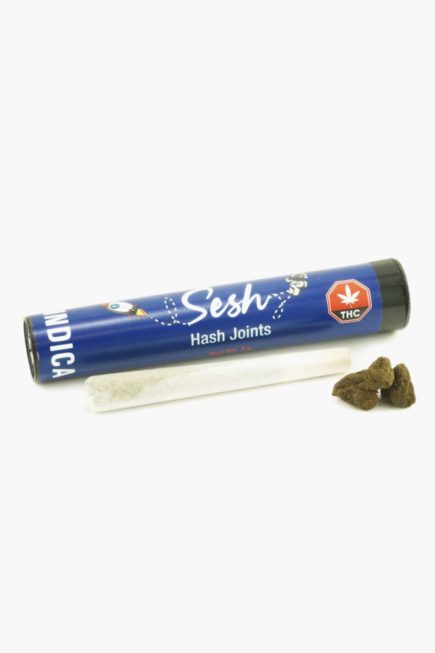
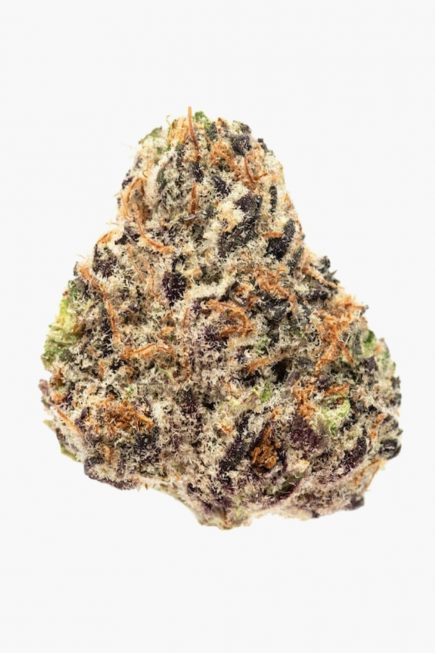
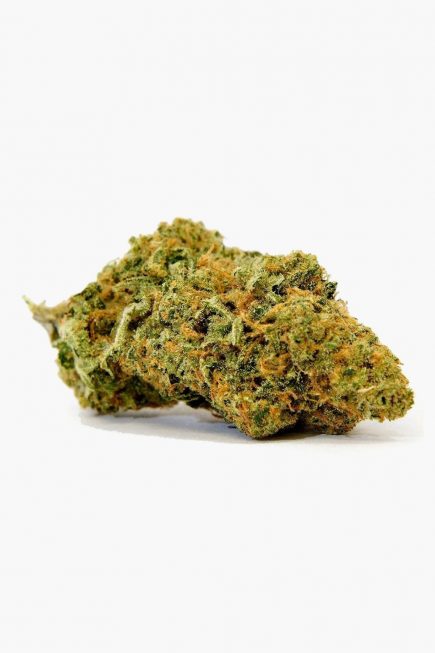
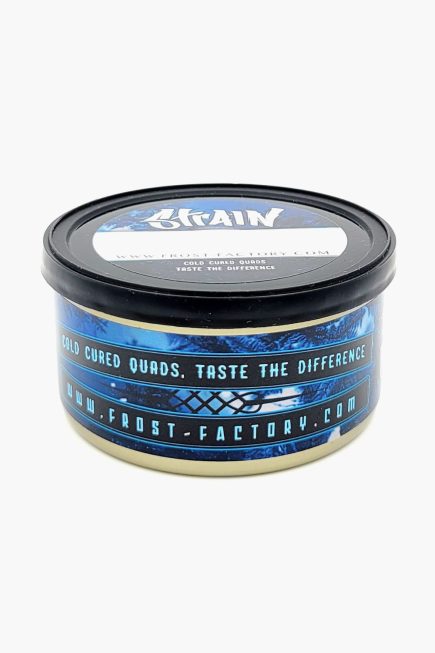
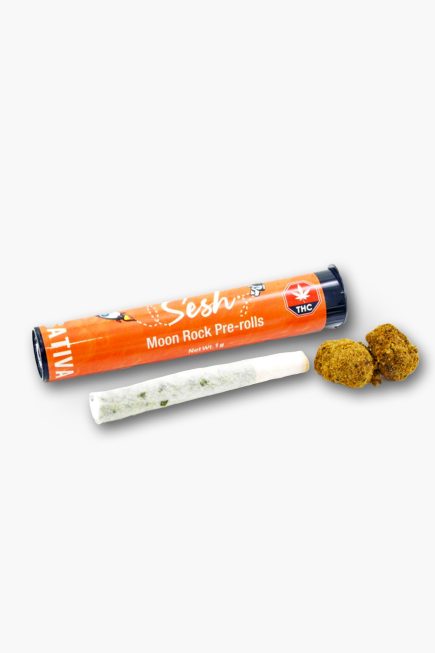
Incorporating these cannabis products into your spring season can add a new layer of enjoyment to your activities, whether you’re exploring the outdoors, focusing on wellness, or indulging in flavorful experiences. As always, it’s important to consume responsibly, considering your tolerance and local laws regarding cannabis use. Here’s to a vibrant, enjoyable, and green spring season! Shop all of your favourite cannabis products with WeedHub Canada today, and feel free to reach out to our customer support team if you have any questions.